Repo Buzz Conversations – Vaughn Clemmons


Dave Branch – Can you share how you first got started in the repossession industry and what led you to where you are today?
Vaughn Clemmons – I got into the repossession industry in 1985 after answering a “Repo Man Wanted” ad for Bankers Motor Vehicle in Cleveland, Ohio. On my very first night out alone, I was shot at (6times). Most people would’ve quit. For me, it flipped a switch. The intensity, the adrenaline rush, the focus it demanded, I was hooked. That moment started a 40+ year journey in an industry I’ve grown to respect deeply, not just for the rush, but for the discipline, professionalism, and standards it requires to do it right.
What were some defining moments in your career that shaped your leadership approach?
God covered me in moments when I should have been killed. He spared me and allowed me to grow up in a dangerous industry, back when we repossessed units with hand tools and no trucks. There was grace over my life. Grace that connected me with men who helped shape me from a young fool into a wiser man. Men like Tom Viets taught me how to treat employees, especially when they mess up. Leadership is not proven when everything goes right. It is revealed when things go wrong. I was also linked with pioneers who reshaped this industry, like Todd Hodnett, long before RDN and DRN became what they are today. From him, I learned that risk is necessary, that failure is part of the process, and that setbacks often become defining moments. I can honestly say the moments that shaped me most were the moments I failed. As Dr. King said, “The ultimate measure of a man is not where he stands in moments of comfort and convenience, but where he stands at times of challenge and controversy.” That quote hangs on the wall of my office, and I live by it.
How has the repossession industry changed from when you started compared to today?
When I started, it truly was the wild, wild west. Assignments came in on rolled fax paper, no cell phones, There were no forwarders, you worked directly for the lender. No portals. No real time updates. Just instinct, grit, and relationships. Today, everything has changed. Forwarders sit between agents and lenders. Compliance requirements have intensified. Insurance standards are heavier, one-sided 50-page contracts. Technology drives everything now, LPR, real-time updates, free service is expected, digital audits, and agents carry the cost of staying competitive. We’ve gone from fax machines and direct relationships to constant oversight and digital environments. Yes, the wild west is over. Now it’s about structure, compliance, and surviving in a far more complex environment.
During your time as President of the American Recovery Association, what were your top priorities?
When I became President of the ARA, I’ll be honest, I didn’t fully understand how I got there or what I was stepping into. I knew the industry, but I didn’t yet understand the weight of the office. Being a prayerful man grounded me. My priorities were only realized once I understood that the assignment was bigger than I understood, bigger than personalities, bigger than politics, bigger than me. That clarity gave me the courage to address the areas agents had tiptoed around for years. The first year was about learning the politics that came with the position. After that, I realized the best way to lead wasn’t to play the game, it was to be myself, stay prayerful, and speak plainly about what needed to be said.
What accomplishments during your presidency are you most proud of?
I learned early in life that pride comes before the fall. Because of that, I’ve always been careful with the word proud when it comes to work, I’ve done. What I can say is that I’m deeply grateful the agent network found its voice. It was never about being politically correct, it was about professionally stating the facts as we saw them and having the courage to stand on them. I’m extremely honored to have served alongside a board that sharpened me, supported me, challenged me, and helped me grow while we moved the association into its next chapter. And I was truly encouraged by the engagement of the membership, watching so many people roll up their sleeves and step forward to help reminded me that this industry is at its best when we work together.
What were the biggest challenges you faced while leading a national association?
There were a lot of challenges. I felt personally responsible for everything. There were moments I felt inadequate. Sleepless nights. Time pulled away from my own business. Negative words were spoken when traction was just beginning. Trying to shift long-standing habits in how ARA conducted business was no small task. But by far, the greatest challenge was navigating the politics, when some believed I had ulterior motives behind the work we were doing. That part tested me the most. There was even a moment when I wanted to quit. The weight of it all felt heavy. But I understood that accepting the role meant fulfilling the obligation that came with it. So I stayed. I honored my commitment. And I finished what I started.
How do you see the role of the ARA evolving in the next 5–10 years?
Over the next 5–10 years, the ARA must evolve into the standard-setting authority for professional recovery agents. It’s not just about networking anymore, it’s about establishing national standards, strengthening certification, and protecting the long-term viability of agents who do this work full-time. If we don’t define professionalism in our industry, someone else will. The future of the ARA is about advocacy backed by data, raising the bar for entry, and ensuring sustainability for the boots on the ground, who after its all said and done, carry the real risk.
What role should industry associations play in shaping legislation and protecting repossessors?
Industry associations should be proactive, not reactive, when it comes to legislation. Our role is to educate lawmakers before bad laws are written, not fight them after they’re passed. Most legislators don’t understand the realities of repossession, the safety risks, the compliance burdens, or the financial pressures agents face. Associations must be the VOICE between the field and the policymakers. We should also work to protect agents by advocating for clear standards, fair liability structures, and accountability across the entire chain, lenders, forwarders, and agents alike. If we don’t shape the conversation, others have shown us they will and it never reflects the realities of those doing the work on the ground. The responsibility is ours.
Do you see AI or automation significantly impacting the industry in the near future?
Yes, I believe AI has already begun reshaping our sector. Many agents are already utilizing automation and AI. We are late to the party, and right now many of us are playing catch-up, trying to understand how to properly use this technology in our space. But AI is going to impact everything, from skip tracing and data analytics to compliance monitoring and risk assessment. The real question isn’t whether AI will change our industry, it’s whether agents will leverage it to strengthen their operations or allow it to be used against them. Like any tool, it can either level the playing field or widen the gap. Those who learn to use it strategically will gain efficiency, better decision-making, and stronger compliance positioning. Those who ignore it may find themselves at a disadvantage.
What technologies do you believe are underutilized by most recovery agencies today?
Like any business, profitability is paramount. The repossession industry, especially for agents, operates on very thin margins. Agencies that underutilize tools to track their performance, like recovery rates by clients and measure true profitability will eventually drain their resources chasing addresses that will never lead to successful recoveries. Data should be our decision maker, not emotion or gut instinct. There is software available today that removes the guesswork from determining profitability by client. It allows agencies to measure recovery rate, average days to close, cost per assignment, and actual net return. When you really look at the numbers, you can quickly identify which clients are profitable partners and which ones are quietly eroding your margins. Not all clients are created equal. If agents fail to prioritize based on data, they will continue giving premium effort to unprofitable work while neglecting the accounts that actually sustain their business. In today’s environment, discipline around client profitability cannot be an option, it’s how you will survive, the agencies that utilize available platforms to evaluate and prioritize clients at the push of a button, will be the ones still standing five years from now.
How can repossession agencies improve relationships with lenders and forwarders?
That’s a tough question because one agent alone can do very little to change how business has historically been done in this space. Real improvement requires collective maturity across the agent network. As long as there are agents willing to accept anything just to fill their lots, operating from short-term, self-serving agendas, relationships will never evolve beyond “business as usual.” True partnership cannot exist if it’s one-sided. Improving relationships starts with agents challenging themselves to respectfully push back. Yes, we ultimately work for the lender or forwarder. But a relationship requires dialogue, honest conversation about what is working, what is broken, and why practices once tolerated in silence now require change. If concerns can be voiced without retaliation… If profitability and compliance are transparent on both sides…Then we move from being vendors to being partners. Real relationships are built when both sides are willing to enhance not just their own bottom line, but the long-term stability of the entire recovery ecosystem. Only then can we say the relationship truly matters.
What do lenders misunderstand most about the realities of field recovery work?
That’s really a question for the other side of the aisle. But from where I sit, my speculation is this, many lenders simply don’t understand the actual work happening in the field. Recovery isn’t just hooking a vehicle and driving away. It’s: Entering unpredictable environments, managing conflict safely, Removing, cataloging, storing, and ultimately disposing of personal property, Absorbing the cost of unredeemed property, which is the majority of it, Carrying rising insurance and compliance burdens, Performing additional services that go uncompensated, Most of that happens at no cost to the lender/forwarder. What often goes unseen is that rates have remained largely stagnant while expectations and compliance requirements continue to rise. There’s an ongoing expansion of responsibility without a link to compensation. If lenders/forwarder truly understood the operational reality, the risk, the overhead, the manpower, the exposure, the things that keep most owners up at night (praying their drivers are safe and don’t do anything to end the business) it might shift the conversation internally. It might encourage them to speak to decision-makers about absorbing some of these real costs rather than unintentionally purging strong, compliant agents from the market. This isn’t a one-sided failure to evolve. It’s an inability to see from another vantage point.
This will cost more in the short term. But failing to understand the full scope of field recovery may cost far more in the long run, in safety, compliance, and the loss of experienced professionals. Better outcomes begin when both sides understand the full weight the other carries.
With rising delinquency rates, what trends are you currently seeing in recovery volume and assignments?
Now that I’m no longer in the national seat, I focus on my backyard. I can only speak to what I’m seeing locally. Right now, volume has actually slowed for us, and I believe that’s true for many agencies, largely due to tax season. Historically, refunds temporarily reduce delinquency pressure, which softens assignments for a short window. But I fully expect volume to increase in the coming weeks.
What external factors (economy, legislation, public perception) concern you most moving forward?
With broader economic instability, rising delinquencies will inevitably translate into more recovery activity. The real question isn’t whether volume will increase, it’s how the industry responds when it does. Every time the industry moves into a “feast” cycle, new players enter the space hoping to ride the wave. At the same time, existing operators often expand aggressively, signing long-term leases, adding trucks, increasing payroll, and taking on heavier financial commitments based on peak volume. My caution is simple: what goes up will come down. This industry has always been recurring. If you build your cost structure around peak numbers, you’ll feel the pain when assignments taper off.
What advice would you give to someone just entering the repossession industry today?
Do your homework, If you’re entering the repossession industry today, you must understand, this is not a “get rich quick” business. It’s a disciplined, high-risk, high-responsibility profession. Too many people see rising delinquency rates and think volume equals easy money. What they don’t see are the thin margins, the compliance demands, the insurance costs, the storage liability, the employee management, and the emotional toll that comes with field recovery work. My advice would be: Not to chase volume, chase sustainability. Not all clients are profitable. Learn your numbers early. Track recovery rates by client. Track cost per assignment. Data should drive your decisions, not emotion. Build your foundation before you expand, avoid signing long-term leases or overload yourself with equipment because you’re in a busy season. This industry is repeated. What feels like a boom today can slow down quickly. Invest in compliance and training Your reputation is everything. One breach-of-peace claim or one compliance failure can erase years of hard work. Build policy before you build scale. Understanding this is a people business. You’re dealing with lenders, forwarders, employees, and consumers, often in emotionally charged situations. How you communicate matters. And lastly, be prepared for the long game. This industry will test you. It will humble you. But if you approach it with discipline, integrity, and a willingness to learn, it can provide a very rewarding career. Just don’t mistake activity for profitability, and don’t mistake a busy season for permanent success.
For agency owners, what separates those who succeed long-term from those who don’t?
Feast seasons like 2008 create confidence, sometimes overconfidence. But famine is never far behind in our line of work. The agencies that survive long-term are the ones who grow responsibly, protect their margins, and prepare for contraction while everyone else is expanding. That discipline, not just volume, is what determines longevity in this business.
What habits or principles have contributed most to your personal success? The habits and principles that have contributed most to my success are actually pretty simple, but not always easy.
First, I remain prayerful. I Include my wife of 40 years Alicia the cornerstone of my life and seek out her unbiased opinion and confirmation. I don’t move on major decisions without grounding myself. There were many seasons in my career where I didn’t fully understand the assignment in front of me. But when I slowed down and stayed centered, the priorities became clear. I’ve learned that clarity often comes after humility. Second, I’ve never allowed failure to define me, but I’ve always allowed it to teach me.
Some of my greatest growth came from moments where I fell short. I don’t run from those seasons. I study them. I ask what GOD is trying to show me. Third, discipline over emotion. This industry can pull you into reaction mode very quickly, whether it’s growth cycles, criticism, politics, or financial pressure. I’ve learned to make decisions based on principle and data, not ego or impulse. Fourth, consistency.
I show up the same way whether things are going well or not. I believe steady leadership builds trust. People don’t need a perfect leader; they need a stable one. And lastly, I’ve always understood that success isn’t individual. No one wins alone in this industry. The sharpening I received from mentors, board members, employees, even critics has shaped me. I remained teachable. If I had to summarize it: faith, family, humility, discipline, and a long-term mindset. That combination has carried me further than talent ever could.
Looking back, is there anything you would have done differently in your career?
Absolutely nothing. I see everything, my triumphs, even my misfortunes, as blessings. The pain, the sacrifices, the sleepless nights weren’t setbacks; they were preparation. They gave me the ability to mentor others from a place of experience, not theory. My past failures became the foundation of my success. I remain thankful to God for every moment every victory, every battle, when I was on the mountaintop, and in the valley. I’m grateful it was me who had to walk through them.
What legacy do you hope to leave within the repossession industry?
I don’t want my legacy to be about a position I held. I want it to be about a standard I helped restore. For too long, repossession agents have operated in survival mode, underpaid, overexposed, and divided. If I leave anything behind, I hope it’s this: that agents found their voice, demanded equal standards, and stopped accepting conditions that slowly pushed good operators out of business. I hope I helped shift the mindset from isolation to collaboration. From “every man for himself” to “we protect this industry together.” Because one agent standing alone can be ignored, but a unified network operating with professionalism and conviction cannot. I also hope I helped elevate the conversation. Not politically. Not emotionally. But factually. Professionally. Fearlessly. Speaking truth about stagnant rates, moral hazards, compliance gaps, and double standards, without apology. Finally, I hope the next generation of agents enters an industry with clearer standards, stronger compliance, and more dignity than the one I stepped into in 1985. If that happens, then the work was worth it.
Is there anything the industry should be talking about right now that isn’t getting enough attention?
Yes, and it’s something we tend to avoid because it requires hard conversations. The industry should be talking more about standards and sustainability, and whether we are unintentionally pricing ourselves out of existence. We talk about volume. We talk about delinquency rates. We talk about technology. But we don’t talk enough about whether the current compensation model actually supports compliant, professional recovery agencies long term. There is still a quiet race to the bottom happening in certain pockets of this industry. Agents underbidding. Taking on unprofitable contracts just to keep trucks moving. Accepting additional demands without compensation. That behavior doesn’t just hurt one company, it destabilizes the entire field. We also need more open conversation about true cost of compliance. Insurance, training, data security, breach prevention policies, property handling, video retention, all of that costs money. Yet the pricing structure in many cases hasn’t meaningfully evolved.
Another topic not getting enough attention is barriers to entry and qualification standards.
If repossession is going to be treated like a professional service, and not just a tow with paperwork, then we should be having serious discussions about certification, continuing education, and minimum operational requirements. Otherwise, the gap between compliant operators and opportunistic entrants will continue to widen. And finally, we need to talk about data ownership and transparency.
Technology is reshaping this space rapidly. If agents don’t understand where they stand in that ecosystem, who owns what, who controls access, who sets the rules, they risk becoming labor providers instead of business owners. If I had to summarize it:
The industry should be talking less about surviving the next busy season…
and more about structuring itself to still be strong ten years from now. That conversation requires honesty. And its long overdue!!!!!
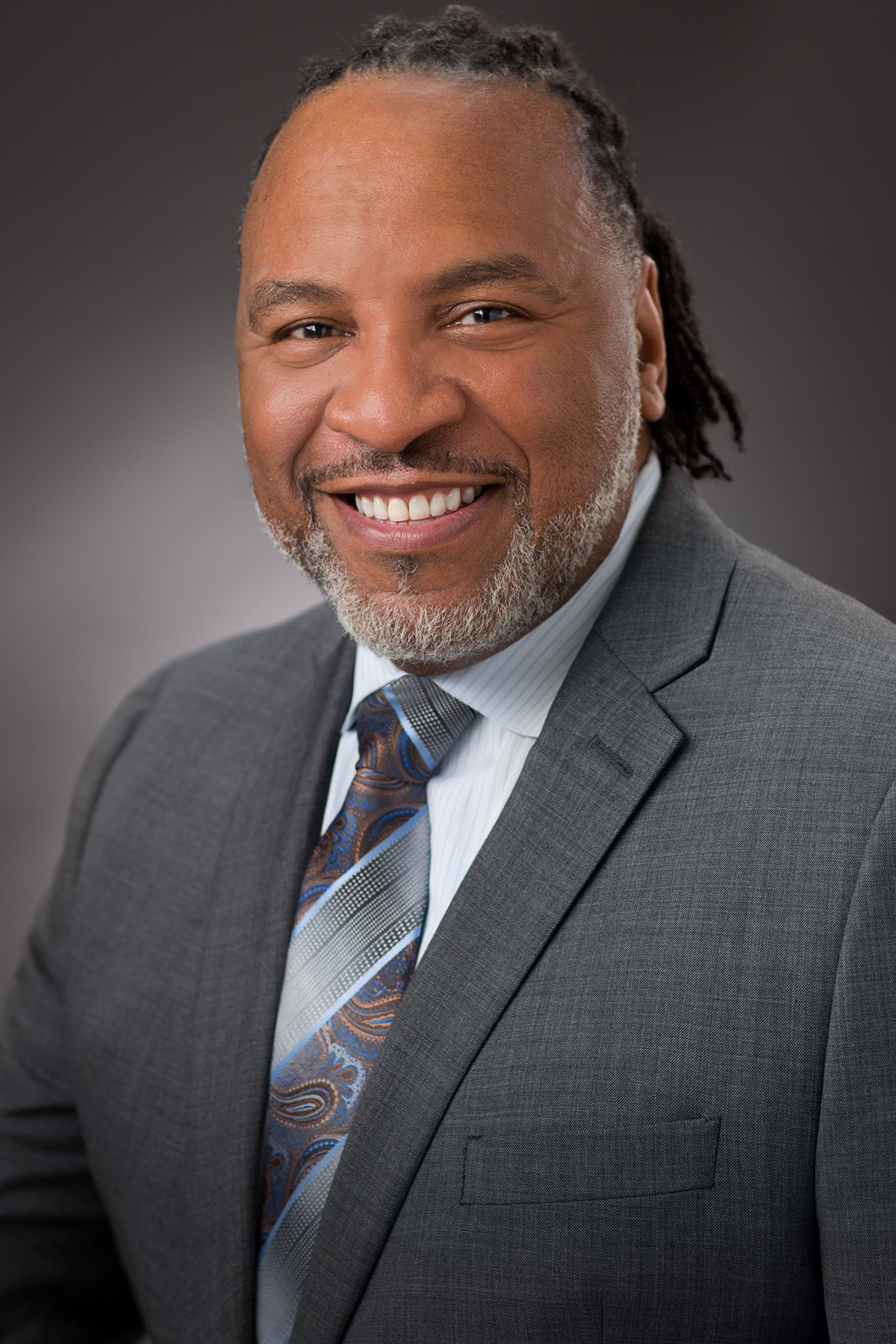
Vaughn Clemmons
Automobile Recovery Bureau, Inc.
P.O. Box 450205
Houston, TX 77245-0205
Phone: (713) 869-6543
Fax: (713) 880-4525
Email: vaughn@houstonrepo.com